
Truck shopping guide
What to check on a spec sheet, door sticker and used truck before you buy a pickup for towing in northern Alberta.
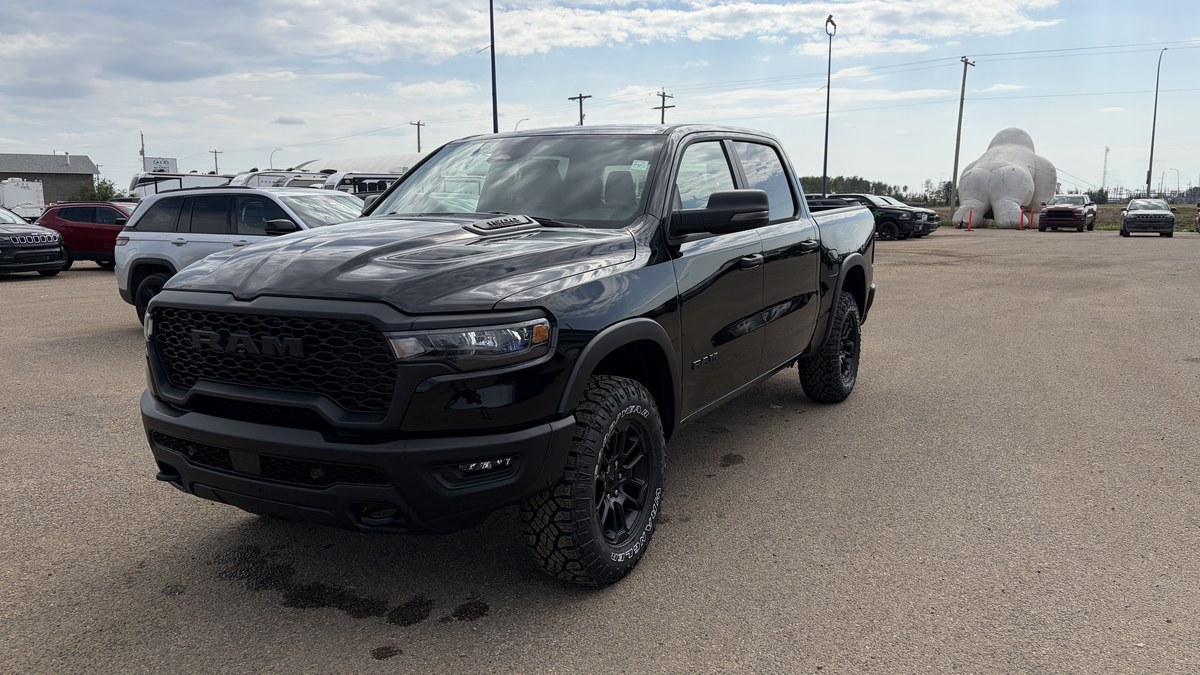
The right truck for towing is the one whose real ratings fit the trailer you'll actually pull, with room to spare. Here's how to shop with that in mind.
Start with the trailer, not the truck
- Write down the trailer's GVWR from its label. Use that, not the "dry weight" in the brochure.
- Estimate tongue or pin weight: 10–15% of loaded trailer weight for a bumper pull, 15–25% for a fifth wheel or gooseneck.
- Add up the people and gear that will ride in the truck.
Then check the specific truck
- Door sticker: GVWR and both axle ratings for that truck. Ratings change with cab, box, engine, axle ratio and packages.
- GCWR and maximum trailer weight for that exact configuration, from the maker's towing guide.
- Factory towing equipment: receiver class, an integrated trailer brake controller, the wiring plug, towing mirrors, and a transmission cooler.
Buying used?
- Look under the truck at the receiver, the safety-chain loops and the wiring for rust and damage.
- In a bed-mounted hitch, check for cracks or elongated holes around the mounting points.
- Ask for service records, especially for transmission and differential fluid on trucks that towed.
- Have an independent technician inspect it before you buy. In Alberta you can also check a dealer is licensed with AMVIC.
Guides in this section
Our first in-depth guides for this section are being written and fact-checked now. In the meantime, start with the overview above or browse all guides.